Face serum stability and efficacy testing helps brands verify that active ingredients remain effective throughout storage, transportation, and product use. Ingredients such as vitamin C and peptides can lose potency under unsuitable conditions, while changes in temperature or formulation compatibility may cause separation, discoloration, or texture changes. Before placing a bulk order, brands need more than a supplier’s product samples or basic test reports.
This guide explains key stability protocols, efficacy assessments, and supporting documents, helping buyers evaluate a face serum supplier’s testing capabilities, identify potential formulation risks, and set clear quality requirements before mass production.
Key Takeaways
- A serum’s main pre-PO risk is deactivated actives: oxidation, separation, and potency loss that appear after loading, not before.
- Serum stability testing: demand heat-and-cold cycling that simulates the sea route, preservative challenge, microbial screening, and pH and viscosity tracking, plus HPLC for dose-dependent claims.
- Freeze-dried and encapsulated formats, plus split-chamber systems, exist to keep fragile actives stable; ask which ones run in-house.
- Packaging compatibility is part of stability: test your actual formula in your actual bottle.
- Close with documents: CoA per batch, the stability protocol and report, and ERP-traceable batch records; pay the balance after inspection.
Why Serums Fail and the Formats That Pass
A face serum can leave the factory in good condition and still lose quality during transportation or storage. Oxidation, ingredient degradation, pH shifts, and physical separation may develop after exposure to heat, light, oxygen, or incompatible packaging. Stability testing helps identify these risks before bulk production.
How Actives Degrade in a Serum
Different active ingredients respond differently to environmental conditions:
- Vitamin C: Certain forms, particularly L-ascorbic acid, are sensitive to oxygen, light, and unsuitable pH conditions, which can accelerate oxidation and discoloration.
- Retinol: Exposure to heat, light, and oxygen can reduce its potency over time.
- Peptides: Stability varies by peptide structure and formulation, making compatibility and storage testing important.
Degradation can occur at several points in the supply chain. Oxygen exposure during mixing and filling, inadequate bottle protection, and prolonged temperature fluctuations during overseas shipping can all affect product stability. Visible changes such as discoloration, separation, or pH shifts may indicate formulation problems, although active potency can also decline without obvious changes in appearance.
Formulation Formats That Help Protect Actives
Suppliers use different formulation approaches to improve active ingredient stability. The appropriate format depends on the ingredient, formula composition, packaging, and intended shelf life.
| Formulation Approach | How It Helps | Suitable Applications |
|---|---|---|
| Freeze-drying | Separates sensitive ingredients from the liquid phase until reconstitution | Certain vitamin C and peptide formulations |
| Micro-encapsulation | Helps protect sensitive ingredients and control their release | Retinol, vitamin C, and other oxidation-sensitive actives |
| Liposome delivery | Encapsulates ingredients in phospholipid structures to support stability and delivery | Selected peptides and other sensitive actives |
| Split-chamber packaging | Keeps incompatible ingredients separate until use | Formulas containing components that require separate storage |
| Waterless formulation | Reduces water-related degradation pathways in suitable formulas | Selected anhydrous vitamin C and other moisture-sensitive formulations |
These technologies can improve formulation stability, but none guarantees a fixed shelf life or complete protection against degradation. Ask your face serum supplier which methods are appropriate for your active ingredients and request stability data from the actual formulation. The test results, rather than the technology name alone, should support the final production decision.
Stability Testing Protocols to Demand Before Bulk
Documented testing protocols help buyers verify product stability, assess supplier capabilities, and identify quality risks before bulk production.
Heat and Cold Cycling for the Sea Route
Temperature changes during overseas shipping can affect a serum’s color, texture, pH, and active ingredient levels. Temperature cycling exposes the formula to repeated hot and cold conditions to assess its stability under expected transportation conditions.
Ask your face serum supplier for the temperature range, exposure time, cycle numbers, and acceptance criteria. A formula may retain its original appearance while showing changes in pH or active content, so visual inspection alone cannot confirm stability.
Accelerated and real-time stability tests also serve different purposes. Accelerated tests use controlled conditions, often elevated temperatures, to identify potential degradation patterns. Real-time tests track changes under recommended storage conditions over a longer period. Both provide useful evidence, but accelerated results alone cannot establish an exact shelf life.
Microbial Safety and Preservative Challenge
Water-based serums need an effective preservation system to control bacteria, yeast, and mold throughout their intended shelf life.
Microbial limits testing checks whether a finished batch meets established contamination limits. Preservative efficacy testing, also called a challenge test, introduces selected microorganisms into the formula to assess how well the preservation system controls their growth.
These tests provide different evidence. Challenge testing generally supports formulation validation, while microbial limits testing helps verify individual production batches. Request the challenge test report for the actual formulation and relevant batch-level microbial results. Changes to the preservative system or formula may require further evaluation.
Active Level, pH, and Viscosity Checks
A serum can look unchanged while losing active ingredient potency. Analytical testing helps verify whether ingredients such as vitamin C, retinol, and peptides remain within agreed specifications.
HPLC (High-Performance Liquid Chromatography) can measure specific active ingredients when the method suits the formula. Ask which compounds the test measures and whether the results meet the agreed specifications.
Other measurements help track formulation changes:
- pH: Identifies acidity changes that may affect ingredient stability and formula performance.
- Viscosity: Tracks changes in thickness and flow that may indicate formulation instability.
- Active concentration: Verifies whether key ingredients remain within the specified range.
Some manufacturers conduct routine tests in-house and outsource specialized analysis to qualified laboratories. Either arrangement can work if the supplier provides clear testing methods and reports identifying the sample, results, and acceptance criteria. Compare these records with the approved formula specifications before bulk production, and request explanations for any unexplained deviations.
Ask for the stability protocol before the deposit
Tell us your target active and shipping route. We will document the stabilization method and share the testing that applies to your formula before you commit.
Efficacy Validation That Proves the Serum Works
A stable formula does not automatically deliver the claimed skincare benefits. Efficacy testing helps brands verify product performance and support claims with measurable evidence.
In-House QC and Partner-Lab Validation
Stability testing shows whether a serum maintains its quality over time, while efficacy validation examines whether its active ingredients deliver the intended benefits. This distinction matters when a formula contains performance ingredients such as peptides, vitamin C, or retinol. The listed concentration alone does not prove that an ingredient produces a measurable effect in the finished product.
Manufacturers may use different testing methods depending on the product claims. In-house testing often covers routine quality measurements, while specialized partner laboratories can provide additional evidence through more advanced assessments:
- In-vitro testing: Uses cells or laboratory models to examine specific biological responses, such as collagen-related activity or antioxidant effects.
- Skin absorption testing: Evaluates how an active ingredient moves into or through skin layers under defined test conditions.
- Clinical or instrumental testing: Assesses changes in skin hydration, wrinkle appearance, firmness, or other measurable outcomes using human participants and suitable measurement tools.
These methods answer different questions. A positive cell-based result may support a scientific explanation for an ingredient, but it does not automatically prove that the finished serum reduces wrinkles on human skin. For that reason, the testing method should match the benefit the brand plans to claim.
Reading Clinical Numbers Like an Auditor
Quantitative results make efficacy reports more useful, but buyers need to understand how the laboratory obtained those numbers. For example, a report showing an 18.98% increase in skin hydration or a 43.5% reduction in transepidermal water loss (TEWL) needs context before a brand can use it to support a product claim.
Check the following details before accepting a supplier’s efficacy report:
- Test sample: Confirm that the laboratory tested your actual formula or a formulation with the same composition.
- Test method: Check the measurement equipment, test conditions, and evaluation criteria.
- Study design: Review the sample size, test duration, baseline measurements, and control or comparison group.
- Results: Confirm whether the reported percentage represents an average change, a comparison with baseline, or a difference from a control group.
Most importantly, distinguish ingredient-level research from finished-product testing. Results from another formula or an isolated active ingredient cannot automatically support claims for your serum. Ask your face serum supplier for dated reports that identify the tested formulation and explain the results. This gives your brand a clearer basis for evaluating product performance and developing evidence-based marketing claims.
Packaging Compatibility for Unstable Actives
Packaging affects how a face serum interacts with oxygen, light, moisture, and container materials. Compatibility testing helps brands verify that the chosen packaging protects the formula throughout storage and use.
Matching the Format to the Active
A formula that performs well in one container may behave differently in another. For example, a vitamin C serum may face greater oxidation risks in packaging that allows frequent air exposure or light penetration. Certain packaging materials may also interact with the formula, affecting its color, odor, texture, or active ingredient content.
The packaging format should match the specific risks of the active ingredients:
- Airless pumps: Limit repeated air exposure and help protect oxygen-sensitive formulas during use.
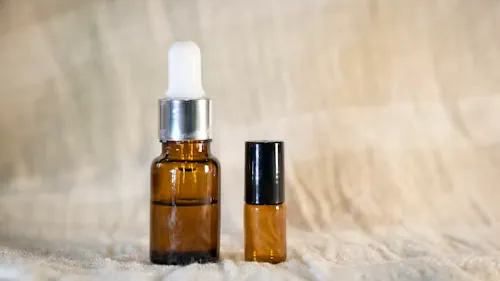
- Amber or opaque containers: Reduce light exposure for photosensitive ingredients, although the actual protection depends on the material’s light-blocking properties.
- Glass vials: Provide a suitable option for certain concentrated or freeze-dried formulations, provided the closure offers adequate moisture protection.
- PCR and refillable packaging: Support packaging sustainability goals, but still require checks for material compatibility, sealing performance, and product protection.
No packaging format guarantees stability on its own. The supplier should test the actual formula with the proposed container, closure, and dispensing system. For freeze-dried products, also consider moisture exposure, seal integrity, and the design of the reconstitution process. These details help ensure that the packaging protects the product before opening and supports consistent use afterward.
Compatibility Evidence to Keep on File
Before approving the final packaging, request a compatibility report based on your actual formula and proposed packaging materials. The evaluation should cover more than whether the serum fits inside the bottle. It should assess possible interactions between the formula, container, closure, and dispensing components.
Review these details in the supplier’s records:
- Material compatibility: Check for discoloration, odor changes, material swelling, leakage, or other signs of interaction.
- Seal integrity: Confirm that the closure protects against leakage and unwanted air or moisture exposure.
- Dispensing performance: Verify that the pump, dropper, or other dispensing system delivers the intended amount consistently.
- Filling specifications: Record the fill volume, headspace, sealing conditions, and relevant production settings.
Keep the compatibility report and approved packaging specifications with the product records. These documents give your team a clear reference when reviewing production changes or investigating packaging-related complaints.
Helement offers packaging design services alongside its facial serum and freeze-dried powder ranges, helping brands coordinate formula and packaging requirements during product development.
Documentation, CoA, and the Traceability Chain
Test results protect you only when they exist on paper. Regulators, insurers, and distributors all read the same file.
The Baseline Documents to Demand
Define the document set at quote stage, not at shipment. The paper is the part of the order that remains after the transaction. In the US, FDA cosmetics regulations list the records an importer must hold.
- Certificate of analysis (CoA): one per batch, measured against the agreed spec.
- Stability protocol and report: the report means little without the method it followed.
- Batch record: the run traced from incoming raw-material testing through in-process control to release. Factories with an end-to-end ERP system produce this chain on demand, and customs checks in regulated markets expect it.
A batch-zero-deviation commitment, with quality held identical from batch one to batch N, turns the paperwork into a promise with a mechanism behind it. The commitment is credible exactly to the degree the records exist, so ask for one completed batch file during vetting, not after the deposit.
Verify Documents Before Batch Release
A complete document set should be reviewed before the finished serum is approved for shipment. Compare the CoA with the agreed product specifications, confirm that the stability report follows the documented testing protocol, and check that the batch record matches the approved formulation and production requirements. Any missing results, unexplained deviations, or inconsistencies between records should be clarified before batch release. This final review helps buyers verify that the delivered products meet the agreed quality standards and that each batch can be traced back to its raw materials and production records.
The Pre-Order Go/No-Go Checklist
Before approving a bulk face serum order, verify that the supplier can provide documented evidence for five key quality requirements. These checks cover the risks that samples alone cannot reveal, from active ingredient degradation during transportation to packaging interactions and batch traceability. If any requirement lacks supporting evidence, clarify the gap before committing to production.
| Check | What to Demand | Evidence |
|---|---|---|
| Freight-grade stability | Temperature cycling under conditions relevant to the shipping route | Stability protocol and report |
| Microbial safety | Microbial limits testing and preservative efficacy testing | Microbial test results and preservative challenge test report |
| Active potency | Verification of active ingredient levels against agreed specifications | Active ingredient analysis report (HPLC where appropriate) |
| Packaging compatibility | Compatibility testing using your actual formula and proposed packaging | Packaging compatibility test report |
| Traceability | Batch records, CoA, and documented production controls | Complete batch documentation with traceable records |
A bulk order is ready to proceed when all five requirements are supported by relevant documentation and the results meet the agreed specifications. Any missing report or unexplained deviation should be resolved before production approval. Keep the completed documentation with the order records to establish a quality baseline for future batches, supplier reviews, and potential product complaints.
Final Thoughts
Face serum stability and efficacy testing helps brands reduce formulation risks before committing to bulk production. A reliable quality assessment should cover active ingredient stability, temperature and transportation conditions, packaging compatibility, and efficacy validation, supported by traceable test reports. These checks help buyers evaluate whether a serum can maintain its intended performance throughout its shelf life and supply chain, rather than relying on an approved sample alone.
As a skincare OEM manufacturer, Helement supports serum development with extreme-stability testing and coordinates HPLC analysis and clinical validation through partner laboratories. Contact Helement to discuss your active ingredients, shipping conditions, and testing requirements before bulk production.
Frequently Asked Questions
How do I test if a serum’s actives stay stable?
Demand accelerated serum stability testing on your actual formula: heat-and-cold cycling that simulates the shipping route, pH and viscosity tracking, and active-level analysis such as HPLC where the claim depends on dose. The report, not a verbal assurance, is the result.
What stability tests should a serum pass before shipping?
At minimum: heat-and-cold extreme-stability cycling, preservative challenge, bacterial and mold screening, and pH and viscosity measurement, plus chromatographic active-level checks for dose-dependent claims. Strong factories run this battery on every bulk batch before release, not only on request.
How do I prevent vitamin C serum from oxidizing in bulk?
Use format and packaging instead of hoping: encapsulation or a low-pH, low-water base, airless or amber packaging with controlled headspace, or a freeze-dried format where the active stays dry until use. Confirm the result with active-level testing on the real batch.
What documents prove a serum’s efficacy?
A certificate of analysis per batch, a stability protocol with results, and partner-lab efficacy reports, for example in-vitro or transdermal absorption studies, with the formula name and date attached. Numbers published without a method and window are marketing, not evidence.
How do I verify batch-to-batch serum consistency?
Ask for a batch-zero-deviation commitment backed by records: an ERP-traceable batch file covering incoming raw-material testing, in-process control, and release, plus a retained sample from your approved batch to compare against future deliveries. One real batch record shows more than a software demo.


