Custom sunscreen formulation allows brands to specify the SPF target, UV filter system, texture, finish, and packaging based on their product positioning and target market. These requirements guide the lab in developing a formula that meets the brand’s needs.
The OEM/ODM process typically includes formula development, sample evaluation, SPF and stability testing, and packaging compatibility checks. Each stage helps confirm whether the formula meets the required product specifications before mass production.
Key Takeaways
- Development Models: Custom formulation, private label, and white label differ in customization level, development costs, минимальный заказ, and lead time.
- Параметры настройки: Brands can specify UV filter systems, SPF targets, water resistance, texture, product claims, and packaging materials.
- Formula Development: Benchmark matching uses a reference sunscreen to guide formulation based on desired product characteristics and market positioning.
- Выборка: Sample evaluation allows brands to assess texture, finish, and other requirements before approving the formula for production.
- Product Validation: Stability testing, SPF and broad-spectrum verification, and packaging compatibility assessments help confirm that the formula meets product specifications and target-market requirements.
Custom vs Частная торговая марка vs White Label: Know the Difference
These three models differ in formula ownership and customization level. These differences affect cost, минимальный заказ, and development time.
| Model | Who Owns the Formula | Trade-off |
|---|---|---|
| White label / stock | Factory, ready-made | Fastest and cheapest, least distinct |
| Частная торговая марка (light custom) | Factory base, you tune finish | Fast, low MOQ, moderate distinction |
| Custom ODM | Engineered to your brief | Slowest, deeper MOQ, fully distinct |
Private label usually starts with an existing formula and allows limited adjustments. Custom ODM develops the formula around your specifications. The best option depends on your product requirements, budget, and desired level of differentiation.
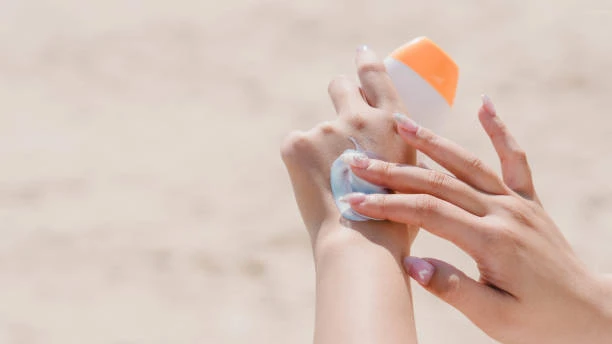
Шаг 1: Brief and SPF / Claim Definition
The process starts with a product brief that defines your target market, SPF level, and product claims. Market requirements affect which claims you can make and what testing the finished sunscreen needs before launch.
Specify the desired SPF, broad-spectrum protection, and product format, such as a lotion, cream, or stick. Include any positioning requirements, such as mineral-based filters, sensitive-skin suitability, or water resistance. These details help the lab identify suitable ingredients and develop a formula around your product goals. Claims such as water resistance require specific testing, and the final SPF must be verified through appropriate testing for the target market.
Шаг 2: Formula Route — Ready, Benchmark-Matched or Bespoke
Once your SPF target and product claims are defined, decide how the formula will be developed. The right route depends on your customization needs, budget, launch timeline, and the level of product differentiation you want to achieve.
- Ready-Made Formula: Start with an existing formula from the manufacturer’s library. Adjustments may be available for texture, finish, or other product features, depending on the formula. This route suits brands that want to bring a product to market with less development work.
- Benchmark Matching: Provide a reference sunscreen that reflects your target product’s texture, finish, or market positioning. The lab analyzes its characteristics and uses the findings to guide a similar or improved formulation. This approach gives the development team a concrete reference point, although the final formula still requires appropriate testing and validation.
- Bespoke Formulation: Develop a formula around your specific requirements, including the UV filter system, texture, SPF target, and other product claims. This route offers greater control over product specifications but generally requires more development time, testing, and investment.
Before deciding, discuss the available options with a manufacturer that offers ODM and custom formulation services. Ask about development costs, sample timelines, testing requirements, and minimum order quantities for each route.
Шаг 3: Filter System and Texture Design
The UV filter system and texture shape a sunscreen’s protection, appearance, and user experience. Both should be developed around the target SPF, market requirements, and intended product positioning.
Choosing the Filter System
Sunscreen formulas can use mineral filters, organic UV filters, or a combination of both. Mineral formulas commonly use zinc oxide or titanium dioxide, while organic filters offer other options for balancing protection, texture, and appearance. The right system depends on the target market, applicable regulations, desired SPF, and product positioning. Discuss the available options with your manufacturer before finalizing the formula.
Texture and Stability Engineering
A sunscreen’s texture depends on the formula, ingredients, and manufacturing process. Technologies such as microencapsulation may help protect selected ingredients or improve their delivery, while D-phase emulsification can support the development of fine-textured emulsions for suitable formulations. The results depend on the ingredients and formula design, so these methods are not suitable for every product.
Discuss your desired finish, spreadability, absorption, and application format with the development team. Helement’s Р&D and laboratory team can provide further information about its formulation and product development capabilities.
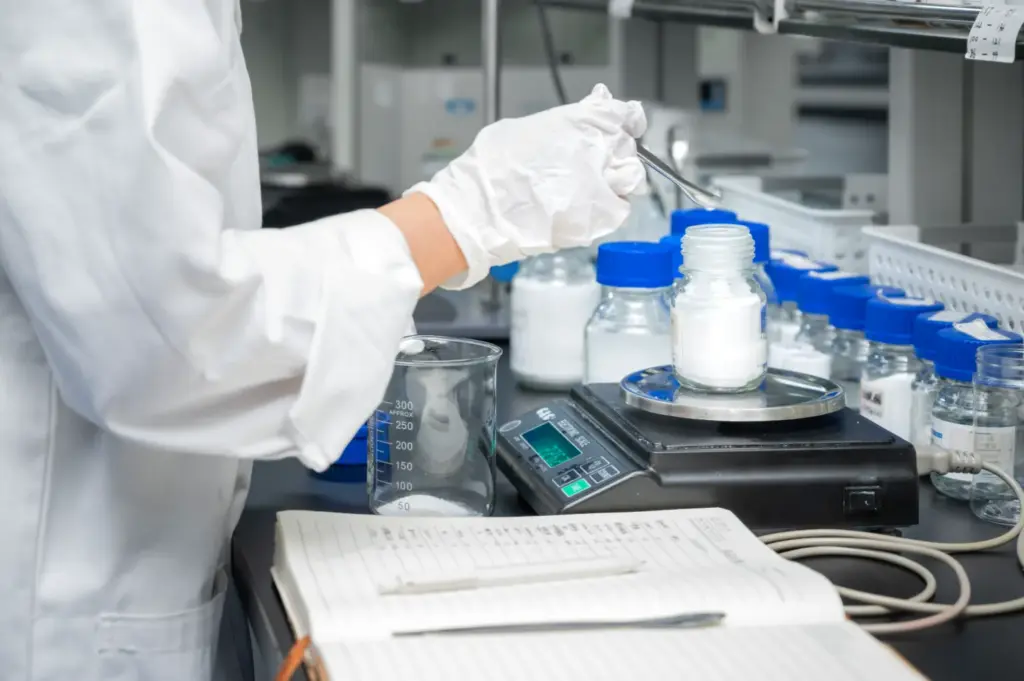
Scope your bespoke SPF brief
Tell us your target SPF claim, filter preference, format, and market. We will map the formula route, name the validation steps, and start a first sample for your review.
Шаг 4: Sampling and Iteration
Sampling allows you to evaluate how the sunscreen performs in practice and identify adjustments before mass production. The first sample typically takes around 15 working days, while minor adjustments may take as little as 7 working days, depending on the manufacturer’s process and the changes required.
During sampling, clarify how many adjustment rounds are included and whether additional fees apply. Evaluate each sample against your product requirements, including absorption, greasiness, white cast, layering under makeup, and fragrance. SPF performance and other relevant claims must also be validated through appropriate testing.
- Review the first sample: Check the texture, finish, fragrance, and overall user experience against your product brief.
- Document requested changes: Give the manufacturer specific feedback on any adjustments needed.
- Evaluate revised samples: Check whether the changes meet your requirements and confirm whether further revisions are necessary.
- Approve the final formula: Obtain written confirmation of the approved specifications before proceeding to bulk production.
Шаг 5: Stability, SPF and Compatibility Validation
Before mass production, validate the custom sunscreen formula to confirm that it meets the required performance and quality specifications. Focus on three key areas:
- Stability Testing: Assess changes in the formula under defined storage conditions, including temperature variations where appropriate. Testing helps identify issues such as separation, changes in texture, or other signs of instability during the intended shelf life.
- SPF and Broad-Spectrum Testing: Verify the product’s SPF and UVA protection claims through appropriate testing methods for the target market. The final claims must be supported by test results rather than calculated from the UV filter levels alone.
- Packaging Compatibility: Check whether the formula remains compatible with the selected bottle, tube, or other packaging components. Potential issues can include changes in product quality, packaging damage, or problems with dispensing.
Ask the manufacturer for test reports relevant to your formula and proposed packaging. Confirm that the required validation is complete before approving the product for commercial production.
Шаг 6: Упаковка, ESG Options and Bulk Production
Once the formula is approved, finalize the packaging design and confirm the production schedule. Packaging affects product protection, usability, appearance, and environmental impact. The format should suit the formula and the needs of your target market.
When discussing packaging options with your manufacturer, consider:
- Packaging format: Select bottles, tubes, безвоздушные насосы, or opaque containers based on the formula’s compatibility, protection requirements, and intended use.
- Structural design and customization: Ask about custom shapes, private molds, 3D renderings, and surface finishes that align with your brand identity.
- ESG materials: Depending on availability and product requirements, explore PCR recycled plastics, refillable packaging, and other materials with relevant environmental benefits. Verify material claims before using them in marketing.
- Product specifications: Confirm any remaining requirements, such as vegan ingredients, sulfate-free formulations, or a specific pH range, where relevant to your product.
Explore Helement’s packaging and design services to review available customization options.
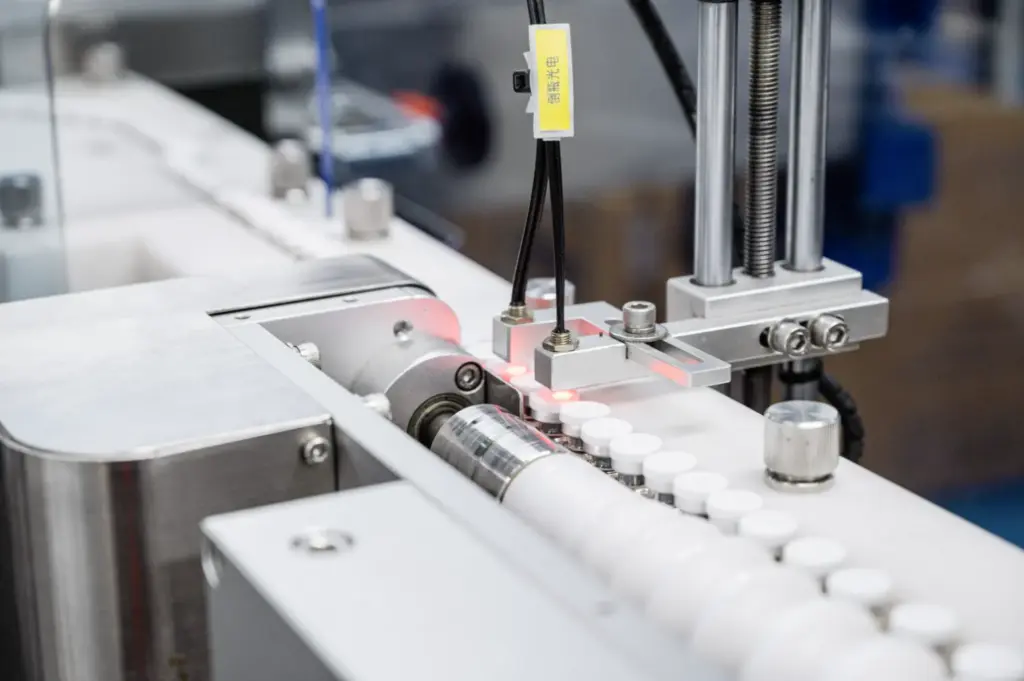
After confirming the formula, упаковка, and production specifications, agree on the bulk production schedule. Standard stock packaging may allow a shorter lead time, while custom molds typically require additional design, tooling, and approval time. Confirm the timeline for your specific order, including packaging preparation, production, and any required quality checks. You can also explore Helement’s sunscreen lotion products for reference.
Final Thoughts
Custom sunscreen formulation requires clear product specifications, careful sampling, and validation of SPF performance, stability, and packaging compatibility. These steps help ensure the finished product meets your requirements and is ready for production.
Helement Skincare offers custom formulation services to help brands develop sunscreen products tailored to their target markets. Contact our team to discuss your formulation requirements and product goals.
Frequently Asked Questions
What is the MOQ for custom sunscreen formulation?
The minimum order quantity depends on the level of customization and packaging requirements. Helement offers light customization from 1,000 единицы, while fully custom sunscreen formulations with custom packaging start at 10,000 единицы. Confirm the MOQ for your specific formula and packaging before placing an order.
How much does custom sunscreen formulation cost?
The cost depends on the formula development route, UV filter system, testing requirements, packaging design, and order quantity. Ready-made formulas generally require less development work than bespoke formulations. Request a project-specific quotation that covers development, testing, упаковка, and production costs.
Can a sunscreen manufacturer provide SPF and broad-spectrum test reports?
A sunscreen manufacturer should explain how the finished formula’s SPF and UVA protection claims will be tested and provide relevant reports to support the intended claims. Confirm which tests, reports, and market-specific documentation are available for your project before finalizing product specifications.
How long does custom sunscreen formulation take from sampling to mass production?
The timeline depends on formula development, sample revisions, testing, packaging preparation, and order requirements. A typical prototype development period may be around 15 working days, while mass production and custom packaging require additional time. Confirm the schedule for your project, including testing and packaging approvals, before setting a launch date.
What information should I provide when requesting a custom sunscreen formulation?
Prepare a product brief covering your target market, intended SPF and UVA claims, product format, preferred UV filters, texture and finish, packaging requirements, target order quantity, and expected launch date. Reference products can also help communicate your desired texture or positioning. This information helps the manufacturer assess feasibility and recommend a suitable development route.


